SMS Marketing for Restaurants and Cafés: How to Send Coupons That Bring Guests Back
Author: Viktor Bobiński

Most venues own something no advert can buy: a list of people who have already been there and liked it. The trouble is that this list usually lives only in the staff's heads. A guest leaves happy, and nothing makes them come back to you rather than the place next door. SMS is one of the simplest ways to change that: a short message that lands in a pocket just as someone is deciding where to eat today.
Why does SMS still work in hospitality?
Hospitality lives on repeat business. A guest who has visited once has already taken the hardest step: they walked in and saw what you are like. A second visit costs far less than winning a new customer, and an SMS lets you simply ask for it.
Why is an SMS read more often than most emails?
An SMS arrives on a screen the guest is already holding, and it does not compete with a hundred other notifications like an inbox does. It is also short, so reading it takes seconds. For a venue that matters, because the decision about where to eat is often made on the spot, and a message with a coupon can tip it your way.
When does an SMS annoy instead of help?
It annoys when it comes too often, offers nothing, or reaches someone who never asked for it. One message a week with a concrete offer earns goodwill. A daily “come and see us” gets guests to unsubscribe or, worse, to steer clear of your venue.
“The cheapest guest is the one who has already been to your place. You only need to remind them it is worth coming back.”
Where do you get phone numbers legally and without tricks?
Phone numbers are personal data, so they must be collected honestly. The good news: if you do it at a moment when the guest is holding their phone anyway, it takes a few seconds and needs no tricks.
How do you collect marketing consent when a guest scans the NFC stand?
The easiest time is the same moment the guest scans the NFC stand: after scanning they can leave a phone number and tick consent for coupon messages. They do not download anything or create an account, and you immediately have a number tied to informed consent. You can read more about how such a stand works in the guide to getting Google reviews fast.
What should you keep in mind about GDPR?
Marketing consent should be voluntary, separate and clearly worded: the guest should know what they agree to and that they can opt out. Do not buy ready-made lists and do not add people who asked for nothing, because that is the shortest route to problems and complaints. If you are unsure about the details, check them with a lawyer or a data-protection specialist.
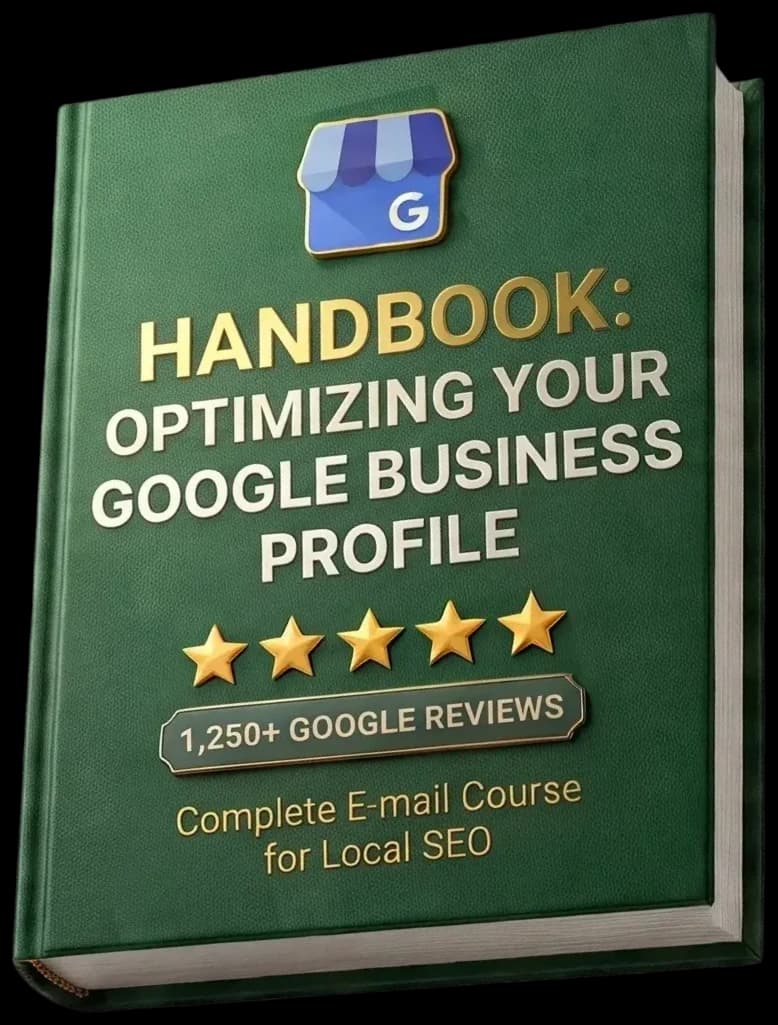
Take care of your Google Business Profile
and climb higher in the rankings
Sign up and get a free course — learn how to optimize your Google Business Profile yourself, so your business appears higher in local search results.
No spam. Unsubscribe anytime.
What should you send so guests want to come back?
SMS is only a channel; what decides its effect is what you write. A message should be short, specific and worth something to the guest, or it will quickly be ignored.
Which coupon works in a restaurant or café?
Simple, clear offers work best: a dessert or a coffee with an order, a lunch discount on a day when the venue is quieter, or a small gesture for regulars. A coupon should have a clear condition and an expiry date, so the guest knows it is worth using soon.
When and how often should you send messages?
One message a week is usually enough, and often even less. The best days and hours are the ones when you have empty tables: a coupon for a Tuesday afternoon makes sense, while one for a Friday evening, when you are full anyway, is just lost margin. The Starlinkee Pro plan includes 100 marketing SMS a month, which at a sensible pace is plenty for a small venue.
“A good SMS sounds like a message from someone you know, not like an ad from a noticeboard.”
How do you check whether your SMS messages pay off?
SMS marketing does not have to be complicated, but it helps to know whether it does what you started it for. The good news: two or three simple numbers are enough to judge it.
What is worth measuring, and what can you skip?
Three things are enough: how many people used the coupon, how many guests came back after the message, and how many unsubscribed. You can happily skip the rest, such as open rates or elaborate charts, because for a single venue they matter little. Just check whether Tuesdays are busier than before.
How do you combine SMS with reviews and a loyalty card?
SMS works best as part of a whole: the NFC stand collects reviews and numbers, SMS reminds guests you exist, and a digital loyalty card gives a reason to visit again. How to build such a system without an app is described in the article on a loyalty program without an app. And if you want to read more about reviews in hospitality, see our text on Google reviews for restaurants and cafés.
Summary — how to send SMS messages that bring guests back?
SMS marketing works in hospitality when it is rare, specific and based on consent. The best time to collect numbers is when a guest scans the NFC stand, together with clear marketing consent, and the message should offer something that makes sense for both the guest and the venue: a dessert, a coffee or a discount on a quieter day. A few simple numbers are enough to judge it, and the biggest effect comes from combining SMS with Google reviews and a loyalty card.
FAQ — Frequently asked questions
- How many SMS a month can I send guests without putting them off?
- For most venues one message a week is enough, often less. More important than the number is that every SMS carries a concrete offer and an expiry date.
- Can I text everyone who once left a phone number?
- Only people who gave marketing consent and can withdraw it. A number given on another occasion, such as a booking, is not automatically consent to advertising.
- How do I collect phone numbers without an awkward question at the till?
- With an NFC stand: the guest scans it with their phone, leaves a number and ticks consent, and staff do not have to ask anything.
- Which coupon works best in a restaurant or café?
- A simple, specific one: a dessert or a coffee with an order, or a lunch discount on a day with fewer guests. It helps to give it an expiry date.
- Will SMS replace a loyalty card or Google reviews?
- No, they complement each other. Reviews attract new guests, a loyalty card gives a reason to return, and SMS reminds people of your venue at the right moment.
Viktor Bobiński
Starlinkee
Founder of Starlinkee and an expert in marketing, sales and IT. He specialises in NFC systems for collecting Google reviews and profile-ranking strategies for local businesses — from restaurants to salons and reception desks.
Related articles
Loyalty Program Without an App: How to Build Customer Loyalty
Find out how to build a digital loyalty program without a mobile app. Learn how an NFC loyalty card works and how to set the reward threshold for a restaurant, salon or barbershop.