NFC plate or QR code: which to choose for your venue
Author: Viktor Bobiński

When a venue wants to collect reviews or guest contacts, the same question comes up: an NFC plate or a QR code? Both send the guest to the same address, but they differ in how they are used, how they look on a table and what happens when something goes wrong. Here is a plain comparison, so you can pick what suits your place.
How does an NFC plate differ from a QR code?
Technically both do the same thing: they send the guest's phone to a web address. The difference is how the guest starts it.
How does an NFC plate work?
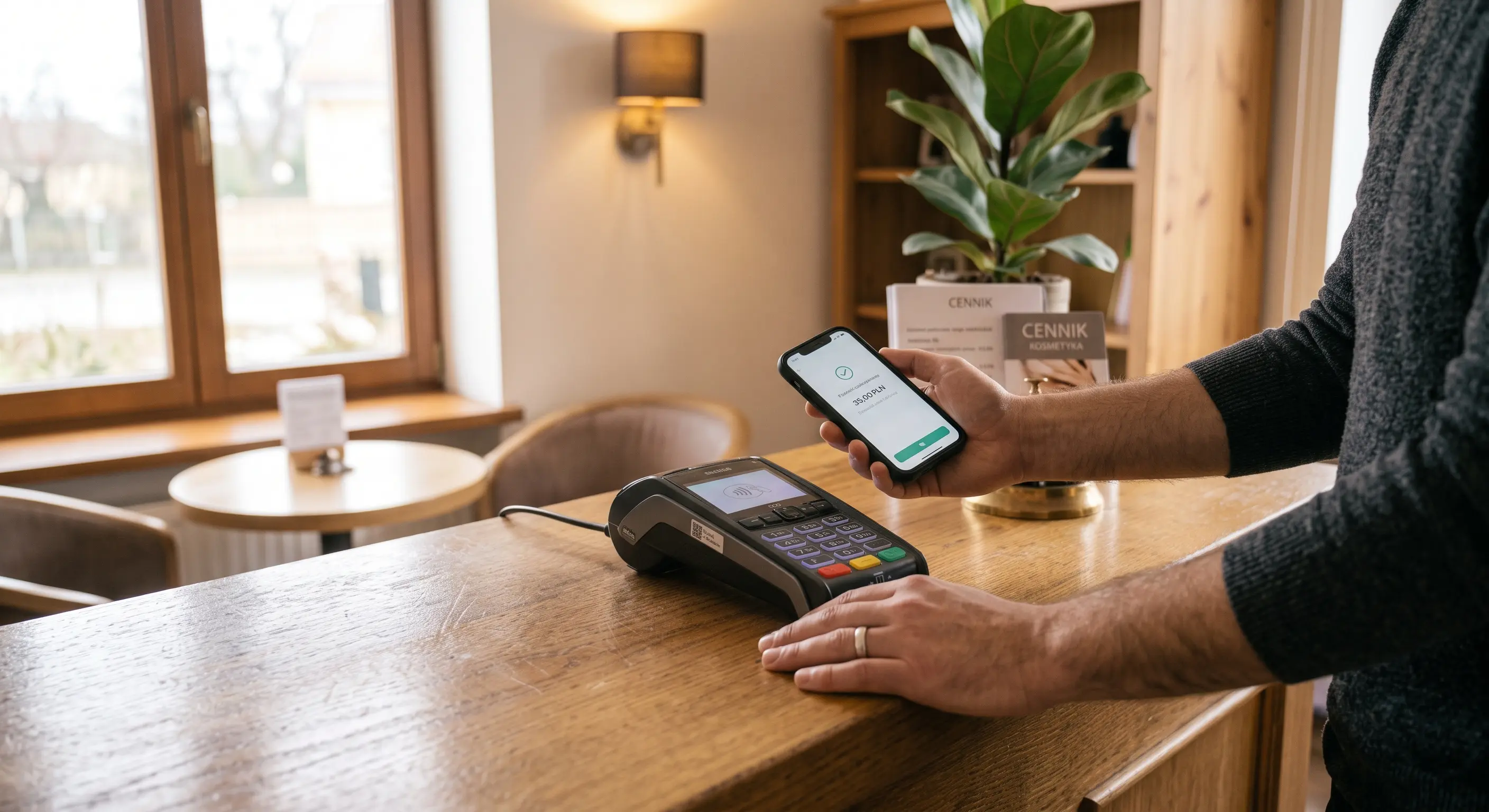
An NFC plate contains a small chip. When a guest holds their phone to it, the phone reads the address and opens the page by itself, with no camera and no app. Hold it for a second and it opens.
How does a QR code work?
A QR code is a pattern the guest scans with the camera. The phone recognises it and offers to open the link. It works on almost any smartphone with a camera, but it takes a few more moves: open the camera, aim, tap the suggestion.
“The best solution is the one a guest starts without thinking.”
Which is easier for the guest?
Guests don't think about technology, only about whether it takes a moment. So it helps to look at it from their side of the table.
How many steps does the guest take?
With NFC it is one move: hold the phone to the plate. With QR the guest has to unlock the phone, open the camera, aim and tap the link. For many people that is fine, but every extra step is a chance the guest gives up, especially with a coffee or a child in the other hand.
When does each one fail?
NFC won't work if the phone lacks it or has it switched off, and some thick cases can weaken it. QR fails when the code is scratched, badly lit or printed too small. That is why it helps to give guests a choice. For more on getting guests to leave a review, see our guide to getting Google reviews fast.
Take care of your Google Business Profile
and climb higher in the rankings
Sign up and get a free course — learn how to optimize your Google Business Profile yourself, so your business appears higher in local search results.
No spam. Unsubscribe anytime.
Which is easier for the owner?
For you it also matters how it looks in the venue, how long it lasts and how much work it takes when something needs to change.
Looks and durability
A QR code usually ends up on a printed sticker or sheet that wears out, gets dirty and peels off over time. A plate lasts longer and looks like part of the decor rather than a temporary note. For a venue that cares about its tables, that matters.
Cost and flexibility
A printed QR code can't be changed: if the address changes, you reprint. A plate leads to a page whose content you can edit, so you change a coupon, a menu or a review link without replacing the plate. The same goes for the code on the plate if it leads to that same page.
“One plate, two ways in: tap the phone or scan the code.”
What to choose: NFC, QR or both?
You don't have to pick just one. In practice the easiest way is to give guests both routes and let each one use the one they prefer.
Why having both works best
Guests differ. Some tap their phone straight away, others prefer to scan a code, and some don't know NFC exists. A plate with both options and a short line such as “Tap your phone or scan the code” serves everyone and needs no explaining.
Where to put the plate?
The best spot is one the guest sees without looking: on the table, by the till or on the counter, at eye level or within reach. Make sure the plate stands steady and doesn't get in the way of eating. On when to ask for a review, see our article on Google reviews for restaurants and cafés.
Summary — NFC or QR?
NFC is faster and more convenient, while QR works on every phone. The best choice is to combine both on one plate, put it where guests will notice it and point it to a page you can change without reprinting. Once guests use it, you can collect Google reviews or build a {L:loy|loyalty program without an app}.
FAQ — Frequently asked questions
- Does an NFC plate need an app?
- No. The guest taps their phone and the page opens in the browser. There is nothing to download and no account to create.
- Does NFC work on iPhones?
- Newer iPhones read NFC plates with no extra steps. On older models it is better to have a QR code next to it as a second option.
- What if the guest has no NFC or doesn't know how to use it?
- They scan the QR code instead. That is why a plate should have both and a short line that tells them what to do.
- Can I change where the QR code on the plate leads?
- If the plate leads to a page you edit, you change the page, not the code itself. The plate stays as it is.
- Where should I put the plate in my venue?
- Where the guest has a free moment and sees it right away: on the table, by the till or on the counter. Avoid spots where something might block it.
Viktor Bobiński
Starlinkee
Founder of Starlinkee and an expert in marketing, sales and IT. He specialises in NFC systems for collecting Google reviews and profile-ranking strategies for local businesses — from restaurants to salons and reception desks.
Related articles
How to Get Google Reviews Fast? Automation and Guidelines
Find out how to legally and effectively collect Google reviews. Learn when to ask for a review, which barriers to remove, and why an NFC system changes the game.
Google Reviews for Hair Salons and Barbershops: How to Get More Ratings
Find out how hair salons, barbershops and beauty salons can get more Google reviews. Learn when to ask for a review, how to handle difficult reviews, and how to link them to customer loyalty.
Google Reviews for Restaurants and Cafés: How to Get More Reviews
Find out how restaurants, cafés and bars can get more Google reviews. Learn when to ask guests for a review, how to handle difficult reviews, and how to turn satisfied guests into regulars.